
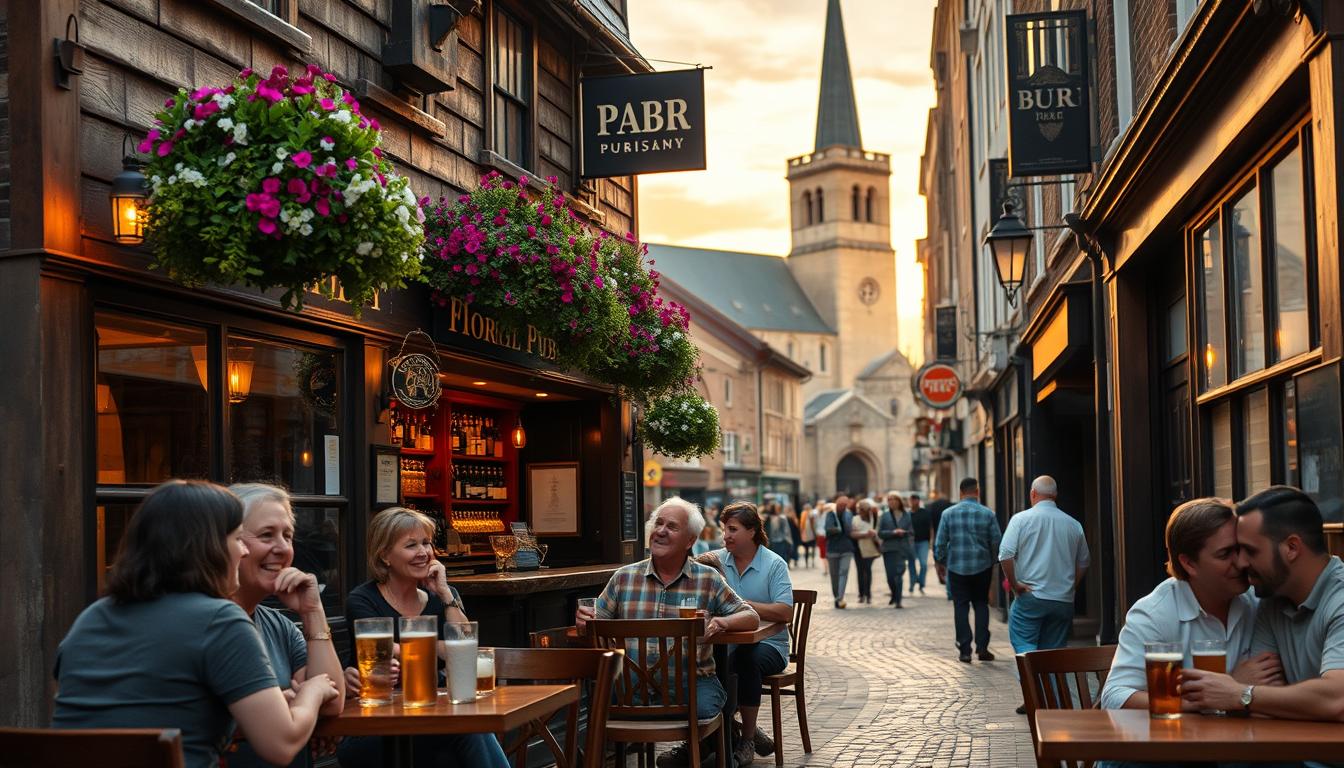
The UK is renowned for its rich and vibrant pub scene, where locals and visitors alike gather to socialize, enjoy good food, and savor a wide range of beers and ales.
British pubs are more than just drinking establishments; they are the heart of community life, hosting various events and activities that bring people together.
From traditional pubs with cozy atmospheres to modern gastropubs offering innovative cuisine, the diversity of British pubs is a significant part of their appeal.
Key Takeaways
- British pubs are central to community life and social culture.
- The UK’s pub scene is diverse, ranging from traditional to modern gastropubs.
- Pubs in the UK offer a wide range of beers, ales, and food.
- Many British pubs host events and activities for locals.
- The atmosphere in UK pubs is often cozy and welcoming.
The Historical Roots of British Pub Tradition
The tradition of British pubs is deeply rooted in history, dating back to the Roman era. The concept of a gathering place where people could socialize and enjoy a drink has evolved significantly over the centuries.
From Roman Taverns to Anglo-Saxon Alehouses
The earliest precursors to modern British pubs were the Roman taverns, which provided a space for travelers and locals to rest and enjoy a drink. As the Roman Empire declined, Anglo-Saxon alehouses became common, serving as community hubs.
Archaeological Evidence of Early Drinking Establishments
Archaeological findings have uncovered evidence of early drinking establishments, including Roman taverns with serving counters and Anglo-Saxon alehouses with brewing equipment.
How Alehouses Shaped Medieval Communities
Alehouses played a crucial role in medieval communities, serving not only as places to drink but also as gathering spaces for local news and social events.
The Birth of the Public House
The modern public house, or pub, began to take shape in the 18th and 19th centuries. Significant legislation and social changes influenced the development of pubs during this period.
The 1830 Beer Act and Its Impact
The 1830 Beer Act allowed for the establishment of more pubs, leading to a proliferation of public houses across Britain.
Victorian Era Pub Development
During the Victorian era, pubs became more elaborate, with ornate decorations and separate areas for different social classes.
| Era | Influence on Pub Culture | Notable Features |
|---|---|---|
| Roman Era | Introduction of taverns | Serving counters, wine storage |
| Anglo-Saxon Era | Development of alehouses | Brewing equipment, community gathering |
| Victorian Era | Elaboration of pubs | Ornate decorations, separate areas for social classes |
Pub Culture in the UK: A National Institution
The UK’s pub culture is a vibrant tapestry that weaves together community life, entertainment, and tradition. Pubs have long been an integral part of British life, serving as gathering places for people from all walks of life.
The Social Heart of Communities
Pubs are often described as the social heart of their communities. They provide a welcoming space where people can come together, socialize, and feel a sense of belonging.
Pubs as Meeting Places Across Generations
Pubs are unique in their ability to bring together people of all ages. From families with young children to retirees, pubs offer an inclusive environment where different generations can mingle.
The Role of Pubs During National Events
During national events and celebrations, pubs become focal points for community gatherings. Whether it’s a World Cup match or a royal celebration, pubs are where people come to share in the excitement.
Beyond Just Drinking: The Pub as a Cultural Space
Pubs are not just about drinking; they are vibrant cultural spaces that host a variety of activities and events. From live music sessions to comedy nights, pubs offer a diverse range of entertainment.
Music, Comedy and Entertainment in Pubs
Many pubs feature live music, ranging from traditional folk to contemporary rock. Comedy nights are also popular, providing a platform for both established and up-and-coming comedians.
“Pubs are the lifeblood of our communities, providing a space for socializing, entertainment, and cultural expression.”
Pub Quizzes and Games: A British Institution
Pub quizzes have become a beloved British institution. These events bring people together, fostering a sense of friendly competition and community spirit.
The Anatomy of a Traditional British Pub
Traditional British pubs are more than just places to grab a drink; they’re institutions steeped in history and culture. These establishments have been the cornerstone of community life for centuries, offering a unique blend of warmth, camaraderie, and cultural heritage.
Distinctive Architectural Features
British pubs are renowned for their distinctive architectural features, which often reflect the era in which they were built. From timber-framed constructions to ornate Victorian-era facades, each pub tells a story of the past.
Pub Signs and Their Historical Significance
One of the most recognizable features of a British pub is its sign. These signs, often hanging above the entrance, were historically used to identify inns and alehouses before many people could read. Today, they continue to be an integral part of a pub’s identity.
Interior Design Elements from Different Eras
The interior design of British pubs varies greatly, reflecting different eras and styles. From cozy, dark-wood paneling to more modern, minimalist designs, the interior of a pub can transport patrons to another time.
The Bar, Snug, and Beer Garden Explained
Understanding the different areas within a traditional British pub enhances the overall experience. The bar, snug, and beer garden each serve distinct purposes and contribute to the pub’s unique atmosphere.
Understanding the Public Bar vs. Lounge Bar
Historically, pubs were divided into different areas, such as the public bar and the lounge bar. The public bar was often more basic, while the lounge bar was more comfortable and sometimes served food.
The Growing Importance of Outdoor Spaces
In recent years, the importance of outdoor spaces in pubs has grown. Beer gardens and outdoor seating areas have become increasingly popular, offering patrons a chance to enjoy their drinks and meals in a more relaxed setting.
| Feature | Description | Era |
|---|---|---|
| Timber-framed construction | A traditional building method using wooden frames. | Medieval |
| Ornate Victorian facades | Elaborate exterior designs characteristic of the Victorian era. | 19th Century |
| Pub signs | Signs hanging above the entrance, often depicting a symbol or logo. | Various |
Regional Pub Variations Across Britain
Britain’s pub culture is as diverse as its regions, with each area offering a unique twist on the traditional pub experience. This diversity is reflected in the various regional pub variations found across the country.
London’s Historic Pubs and Gin Palaces
London is home to some of the UK’s most historic pubs, with establishments like Ye Olde Cheshire Cheese offering a glimpse into the city’s rich past.
The City’s Oldest Drinking Establishments
Some of London’s oldest pubs date back centuries, providing a unique atmosphere that blends history with modern charm.
Modern London Pub Trends
Alongside historic pubs, London is also known for its modern pub trends, including craft beer bars and trendy gastropubs.
Country Pubs of the Cotswolds and Rural England
The Cotswolds is renowned for its picturesque village pubs, which often feature traditional decor and serve local cuisine.
Farm-to-Table Traditions in Village Pubs
Many village pubs in the Cotswolds pride themselves on their farm-to-table traditions, using locally sourced ingredients in their menus.
Walking Pubs and Countryside Pub Culture
The Cotswolds is also famous for its walking trails, with many pubs catering specifically to walkers and hikers.
Scottish Pubs and Whisky Traditions
Scotland’s pubs are deeply rooted in whisky traditions, offering a unique drinking experience that is distinctly Scottish.
The Unique Atmosphere of Edinburgh’s Royal Mile Pubs
Edinburgh’s Royal Mile is lined with historic pubs that offer a lively atmosphere and a wide range of whiskies.
Highland Pub Experiences
In the Scottish Highlands, pubs often serve as community hubs, offering warm hospitality and local stories alongside their whisky selections.
The Art of British Pub Food
The art of British pub food is a reflection of the country’s rich culinary heritage. British pubs have long been the cornerstone of community life, serving not just as places to enjoy a drink but also as venues where delicious, comforting food is savored.
Classic Pub Grub: From Pies to Sunday Roasts
Traditional British pub grub is known for its hearty, comforting dishes that warm the soul. Classics include fish and chips, bangers and mash, and steak and kidney pies.
Regional Specialties You Must Try
Each region in the UK boasts its own specialties. For instance, the Cornish pasty from Cornwall, haggis from Scotland, and laverbread from Wales are must-try dishes.
The Tradition of the Sunday Roast
The Sunday roast is a cherished tradition in British pubs. Typically consisting of roasted meat, roasted potatoes, and accompaniments like Yorkshire pudding, it’s a meal that brings families and friends together.
The Rise of Gastropubs
In recent years, the rise of gastropubs has transformed the British dining scene. These establishments combine the traditional pub atmosphere with high-quality, gourmet food.
How Gastropubs Revolutionized British Dining
Gastropubs have elevated the standard of pub food, introducing menus that are both innovative and rooted in traditional flavors.
Award-Winning Pub Food Destinations
Some pubs have gained recognition for their exceptional cuisine, winning awards and accolades. These gastropubs are destinations for food lovers.
| Region | Specialty | Description |
|---|---|---|
| Cornwall | Cornish Pasty | A pastry filled with meat, potatoes, and vegetables. |
| Scotland | Haggis | A savory pudding made from sheep’s heart, liver, and lungs. |
| Wales | Laverbread | A delicacy made from seaweed, often served with bacon and eggs. |
Navigating the British Beer Landscape
Britain’s beer culture is a complex tapestry of old and new, with a rich history that continues to evolve. The country’s pubs offer a wide range of beers that cater to diverse tastes.
Real Ale: Britain’s Living Beer Tradition
Real ale is a cornerstone of British beer culture, brewed using traditional methods and ingredients. It’s a living, breathing beer that matures in the cask.
CAMRA and the Real Ale Revival
The Campaign for Real Ale (CAMRA) has played a significant role in promoting and preserving real ale. Founded in 1971, CAMRA has been instrumental in the real ale revival.
How to Order and Appreciate Cask Ales
When ordering real ale, it’s customary to specify the beer name and style. Appreciating cask ales involves understanding their unique characteristics, such as flavor profiles and brewing methods.
Understanding Bitters, Stouts, and Porters
British beer encompasses a variety of styles, including bitters, stouts, and porters. Bitters are known for their balanced flavor, while stouts and porters are darker, roasted beers.
Regional Beer Styles Explained
Different regions in Britain have their own beer styles. For example, the south is known for its bitters, while the north is famous for its stouts and porters.
Seasonal Beer Traditions
Seasonal beers are an integral part of British beer culture, with breweries releasing special beers for occasions like Christmas and summer.
The Craft Beer Revolution in UK Pubs
The craft beer revolution has transformed the UK pub scene, with microbreweries offering innovative beers. Craft breweries are experimenting with new flavors and techniques.
Microbreweries Changing the Pub Landscape
Microbreweries are changing the pub landscape by offering a diverse range of beers. They are often located within or near pubs, enhancing the beer experience.
American Influence on British Craft Beer
American craft beer has influenced British brewing, with many UK breweries adopting American techniques and styles.
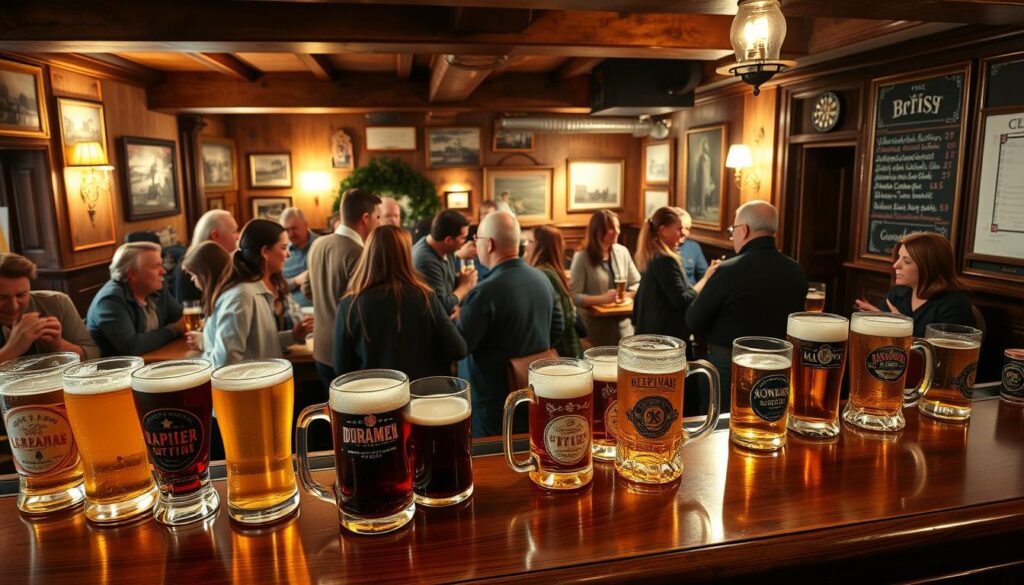
- Bitters
- Stouts
- Porters
- Pale ales
- IPAs
Pub Etiquette: Unwritten Rules for Visitors
To truly experience British pub culture, visitors need to grasp the unwritten rules of pub etiquette. Understanding these customs can make a significant difference in how welcome and at ease you feel in a pub.
Ordering at the Bar: The Do’s and Don’ts
When it’s time to order, knowing the basics can save you from confusion. In most British pubs, you’ll need to order at the bar rather than at your table. Be prepared to be clear about what you want, as bartenders are usually busy serving multiple customers.
Tipping Practices in British Pubs
Tipping in British pubs is generally less than what you might be used to in other countries. For a standard pint or drink, rounding up to the nearest pound or leaving small change is considered polite. However, for table service, a tip of around 10-15% is appreciated.
How to Catch the Bartender’s Attention Politely
To get the bartender’s attention, make eye contact and raise your hand slightly. Avoid shouting or waving vigorously, as this can be seen as rude. Patience is key, as bartenders serve customers in the order they were attended to.
Understanding Round Buying and Pub Talk
Round buying is a cherished tradition in British pubs, where one person buys a round of drinks for their group. Engaging in pub talk, or friendly conversation, is also a significant part of the pub experience.
The Sacred Tradition of Buying Rounds
When in a group, it’s customary for individuals to take turns buying rounds for the table. This practice fosters camaraderie and ensures everyone gets a turn to be the host.
Conversation Topics and Pub Banter
Pub talk can range from light-hearted banter to more in-depth discussions. Topics often include sports, local news, and current events. Being open to friendly banter and showing interest in others’ conversations can make your pub experience more enjoyable.
Britain’s Most Historic and Famous Pubs
From literary haunts to celebrity-owned establishments, Britain’s famous pubs are a fascinating aspect of its culture. These iconic institutions have played host to historical events, literary masterpieces, and even royal patronage.
London’s Ye Olde Cheshire Cheese and The Prospect of Whitby
London is home to some of the most historic pubs in the UK. Ye Olde Cheshire Cheese, for instance, has been a favorite among locals and visitors alike since the 16th century. The Prospect of Whitby, another historic gem, boasts a rich maritime history.
Charles Dickens’ Favorite Drinking Spots
Charles Dickens, one of Britain’s most celebrated authors, was known to frequent certain pubs. While we don’t know all his favorite haunts, it’s clear that pubs played a significant role in his literary life.
Riverside Pubs with Historic Significance
Riverside pubs like The Prospect of Whitby have witnessed centuries of maritime history. These establishments offer a unique glimpse into London’s past.
Edinburgh’s The World’s End and Oxford’s Eagle and Child
Edinburgh’s The World’s End and Oxford’s Eagle and Child are two more examples of Britain’s historic pubs. The World’s End has been a staple in Edinburgh’s Old Town since the 18th century, while The Eagle and Child in Oxford is famous for its connections to J.R.R. Tolkien and C.S. Lewis.
Literary Connections to the Inklings
The Eagle and Child was a favorite among the Inklings, a literary group that included Tolkien and Lewis. The pub’s atmosphere inspired some of their most famous works.
Royal Patronage and Famous Pub Stories
Many of Britain’s historic pubs have stories of royal patronage. These tales add to the rich tapestry of pub history and culture.
Literary and Celebrity Pub Connections
Britain’s famous pubs have been frequented by numerous literary figures and celebrities over the years. From Shakespeare to modern-day celebrities, these pubs have played host to a wide range of famous patrons.
Shakespeare’s Drinking Haunts
While we can’t pinpoint all of Shakespeare’s favorite pubs, it’s known that he frequented certain establishments in London. The George Inn in Southwark is one such example.
Modern Celebrity-Owned Pubs
Today, many pubs are owned by celebrities. These modern establishments offer a unique blend of entertainment and hospitality.
| Pub Name | Location | Notable Connection |
|---|---|---|
| Ye Olde Cheshire Cheese | London | 16th-century history |
| The Prospect of Whitby | London | Maritime history |
| The World’s End | Edinburgh | 18th-century establishment |
| The Eagle and Child | Oxford | J.R.R. Tolkien and C.S. Lewis |
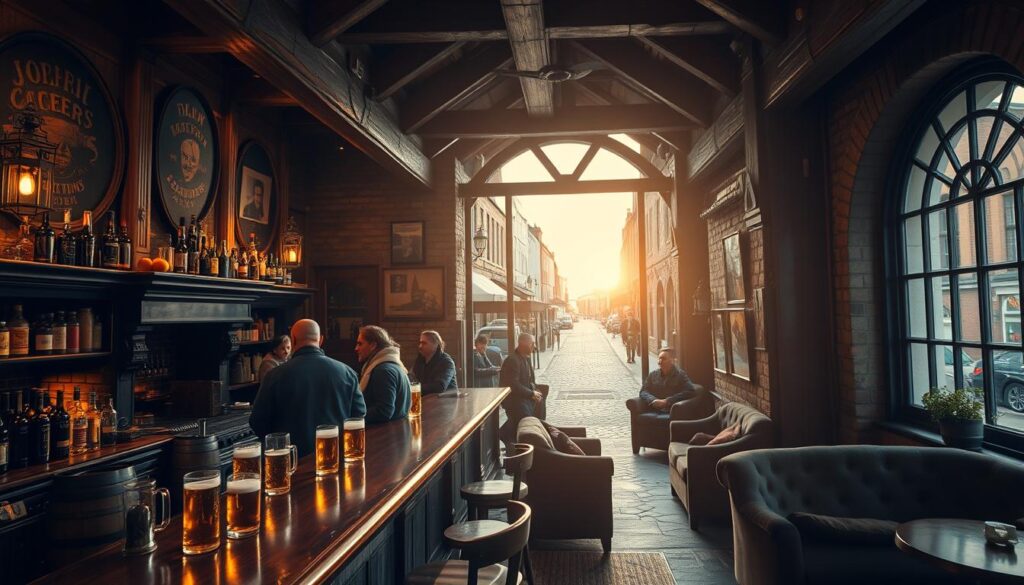
Modern Challenges Facing British Pub Culture
The traditional British pub is under threat from various contemporary issues. Despite their historical significance and cultural importance, many pubs are struggling to survive.
The Decline in Pub Numbers: Causes and Concerns
The number of pubs in the UK has been declining over the years due to several factors.
Economic Pressures and Property Development
Economic pressures, including rising costs and property development, have forced many pubs to close. The conversion of pubs into residential units or other businesses has reduced the number of traditional pubs.
Changing Drinking Habits Among Younger Generations
Changing drinking habits, particularly among younger generations, have also contributed to the decline. There’s a growing trend towards healthier lifestyles and alternative social venues.
How Pubs Are Adapting to Survive
Despite these challenges, many pubs are adapting to survive. They are embracing new technologies and changing consumer preferences.
Technology and Social Media in the Modern Pub
The use of technology and social media has become crucial. Pubs are now using online platforms to engage with customers, promote events, and offer services like online ordering and delivery.
Community Ownership Models Saving Local Pubs
Community ownership models have emerged as a viable solution. Local communities are coming together to save their beloved pubs, ensuring they remain vibrant social hubs.
Some of the ways pubs are adapting include:
- Offering a wider range of food options
- Hosting events and live music
- Creating welcoming spaces for families and children
- Embracing technology for online engagement
Experiencing Authentic British Pub Culture as an American Visitor
As an American traveler, stepping into a British pub can be a quintessential experience that offers a glimpse into the UK’s rich cultural heritage. British pubs are not just drinking establishments; they are the social hubs of their communities, offering a warm welcome to visitors.
Must-Visit Pubs for First-Time Travelers
For those visiting the UK for the first time, there are several iconic pubs that should be on their itinerary. These pubs offer a blend of history, atmosphere, and traditional British culture.
London’s Tourist-Friendly Historic Pubs
London is home to numerous historic pubs that are perfect for first-time visitors. The Ye Olde Cheshire Cheese and The Prospect of Whitby are two such establishments that offer a rich historical experience.
Off-the-Beaten-Path Authentic Locals
For a more authentic experience, venturing into lesser-known pubs can be rewarding. These hidden gems often provide a more local atmosphere and a chance to mingle with regulars.
Cultural Differences to Be Aware Of
When visiting British pubs, it’s essential to be aware of cultural differences to make the most of your experience. Understanding local customs can enhance your visit.
Drinking Hours and Licensing Laws
Unlike some countries, the UK has specific licensing laws that govern drinking hours. Pubs typically open from late morning to late evening, with some variation depending on the location and day of the week.
Language Differences: Ordering Drinks Like a Local
Ordering drinks in a British pub can be a bit different from what Americans are used to. Familiarizing yourself with local terminology, such as ordering a “pint of bitter” or asking for “a half of lager,” can make your experience more enjoyable.
The Enduring Legacy and Future of the Great British Pub
The British pub is more than just a place to grab a drink; it’s a cultural institution that has been woven into the fabric of society. The legacy of British pubs is rooted in their rich history, regional variations, and the role they play in community life. From the historic pubs of London to the cozy country pubs of the Cotswolds, each one offers a unique experience that showcases British culture.
As the pub landscape continues to evolve, the future of pubs remains a topic of interest. While modern challenges such as changing consumer habits and economic pressures have led to a decline in pub numbers, many pubs are adapting by offering high-quality food, craft beers, and unique experiences. This evolution ensures the enduring pub culture remains vibrant and relevant.
The significance of British pubs extends beyond their walls, representing a connection to the past while embracing the future. Visitors from around the world, including the United States, are drawn to the authentic atmosphere and warmth of British pubs. As we look to the future, it’s clear that the legacy of British pubs will continue to be cherished, both by locals and visitors alike, for generations to come.
